Cosmetic Dentistry for Women: Personalized Smile Goals

A beautiful smile is never just about teeth. In practice, it sits at the intersection of health, identity, age, personal style, and confidence. That is especially true when women seek cosmetic dentistry. The goal is rarely "perfect" in the abstract. More often, it is specific and deeply personal: softer edges after years of grinding, a brighter look after pregnancy and breastfeeding, better symmetry in photographs, less gum showing when laughing, or restoration after a difficult season that left visible wear behind.
That distinction matters. Cosmetic Dentistry works best when it is not sold as a standard package, but designed around the individual sitting in the chair. Two women can ask for "whiter, straighter teeth" and need entirely different treatment plans. One may be a 29-year-old presenter who wants polish and camera confidence without anything that looks artificial. Another may be a 52-year-old executive with old bonding, recession, and bite wear who needs function protected before aesthetics are even discussed.
The most satisfying cosmetic cases are not built around trends. They are built around judgment. They respect facial features, age, skin tone, lip shape, speech patterns, habits, and long-term maintenance. They also leave room for restraint. Sometimes the right answer is six months of whitening and selective bonding, not a mouth full of porcelain.
Smile goals are personal, not generic
Women often arrive with a mix of practical and emotional motivations. Some have spent years editing their smile out of photos. Some are preparing for a wedding, a promotion, a return to dating, or a public-facing role. Others are simply tired of seeing old dental work that no longer matches the rest of their appearance. These are not superficial concerns. A smile is one of the most visible parts of the face. When it feels out of step with the rest of a person, it can create daily friction.
What often gets missed in online before-and-after culture is how individual smile design really is. The same shade of white can look vibrant on one person and stark on another. The same tooth lengthening that creates elegance in one face can make another smile look severe. The same veneer shape that photographs well in a studio can look flat in natural light during normal conversation.
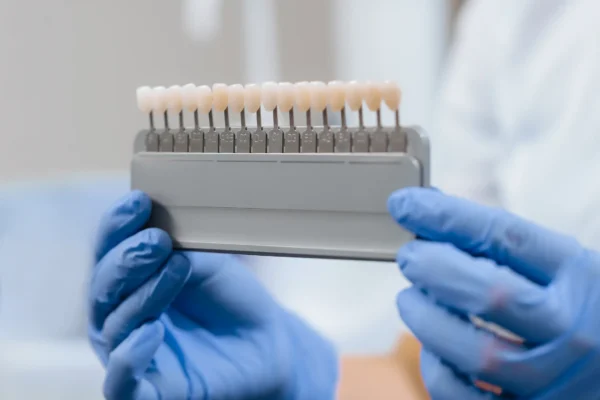
A personalized approach starts by asking better questions. Not just, "What do you want to change?" But, "When do you notice your smile most?" "What bothers you in motion versus in photos?" "Do you want people to notice your teeth, or simply think you look refreshed?" Those answers reveal much more than a shade chart ever could.
I have seen women bring inspiration photos that are useful in one sense and misleading in another. They help clarify preferences, but they can also pull attention away from anatomy. A wide, Cosmetic Dentistry rounded, bright smile on a celebrity with full lips, a high smile line, and strong cheek support cannot simply be copied onto a patient with thin enamel, a low lip line, and a narrow arch. Good cosmetic planning translates a feeling, not a duplicate.
What personalization actually means in cosmetic dentistry
Personalization is not marketing language when Cosmetic Dentistry it is done properly. It means the plan accounts for several factors at once: biology, facial aesthetics, dental function, timeline, budget, and tolerance for maintenance. Women often manage many competing priorities, including work, family logistics, and health concerns, so practical planning matters every bit as much as artistic judgment.
Age is one piece of the puzzle, but not in a simplistic way. Younger patients usually still have thicker enamel, larger pulp chambers, and more conservative options if alignment or color is the main concern. Patients in their forties, fifties, and beyond may have old fillings, fracture lines, gum recession, or shortening from grinding. They can still achieve excellent cosmetic results, but the plan may need to protect the bite first and sequence treatment more carefully.
Hormonal changes can affect the mouth as well. Pregnancy can increase gum sensitivity. Perimenopause and menopause may bring dry mouth, burning sensations, or changes in gum tissue comfort for some women. None of this rules out cosmetic treatment, but it does shape timing and material choices. A patient with dry mouth, for example, may struggle more with certain appliances or may be at higher risk around bonded margins if home care becomes difficult.
Lifestyle is another underappreciated factor. A woman who drinks coffee all day and presents on stage may prioritize brightness and stain resistance. A marathon runner who breathes through her mouth may deal with dryness. A violinist, singer, or broadcaster may notice tiny changes in tooth contour or bite in ways that others do not. A patient who clenches during sleep needs a different restorative strategy than someone with a gentle bite.
None of these details are minor. They are the difference between dentistry that merely looks good at delivery and dentistry that still feels right years later.
The most common concerns women bring to cosmetic consultations
The requests themselves are familiar, but the reasons underneath them vary widely. Discoloration is high on the list. Sometimes it is simple external staining from tea, coffee, red wine, or smoking. Sometimes it is deeper, from aging enamel, childhood medication exposure, trauma, or old dental materials. Surface stain may respond beautifully to whitening and polishing. Internal discoloration often needs a more layered solution.
Shape is another common concern, especially when front teeth are uneven, chipped, too square, too short, or asymmetrical. Small changes here can have outsized effects. Closing tiny spaces, rebuilding worn corners, or refining incisal edges can make a smile look more feminine, softer, stronger, or more balanced, depending on the design choices.
Alignment matters too, though many adults want correction without a long or highly visible process. Mild crowding can sometimes be improved with clear aligners before any bonding or veneers are considered. That sequence is often smarter than forcing cosmetic materials to disguise a position problem. Covering misalignment with porcelain alone can require more aggressive reduction, and the result may look bulky if the underlying tooth positions are not addressed.
Gum display, uneven gum lines, and tooth-to-gum proportion also come up frequently. A woman may say, "My teeth look small," when the real issue is excess gum display or altered passive eruption. In another case, the teeth may actually be worn down, so they are objectively shorter than they once were. Those distinctions change the treatment plan completely.
Conservative options often produce the best outcomes
There is a quiet confidence in conservative cosmetic dentistry. It does not chase drama. It respects what is already good and improves what is distracting. For many women, this is the sweet spot.
Teeth whitening remains one of the simplest, most cost-effective treatments when used carefully. Custom trays with professional guidance often give more controlled results than over-the-counter strips, especially for patients with sensitivity. Whitening is not ideal for every type of stain, and it does not change the color of crowns, veneers, or fillings, so shade planning matters. A common mistake is whitening first and only later realizing that visible restorations now look darker by comparison.
Bonding is another underrated tool. Well-executed composite bonding can repair chips, close black triangles, soften asymmetry, and lengthen worn edges while preserving healthy tooth structure. It is especially useful for women who want meaningful improvement without committing to porcelain. The trade-off is maintenance. Composite can stain, chip, and lose polish over time, particularly in patients who grind or drink a lot of coffee or tea. That does not make it a poor option. It simply means expectations should be honest from the beginning.
Orthodontic alignment with clear aligners can be transformative, not just aesthetically but functionally. Straightening teeth before cosmetic finishing often allows a more natural and less invasive final result. It also gives the hygienist and the patient a much easier landscape to keep clean. The downside is patience. Even minor movement takes time, and not every adult wants to wait months before seeing the final cosmetic stage.
For some women, combining subtle approaches creates the best result. Whitening, a short aligner phase, and a few areas of edge bonding can dramatically improve a smile without making anyone ask what was "done."
When veneers make sense, and when they do not
Porcelain veneers are powerful tools, but they are not casual beauty accessories. They are restorations, and they should be approached with the same seriousness as any irreversible dental treatment. In the right patient, veneers can correct shape, color, proportion, and minor alignment issues with exceptional polish. In the wrong patient, or in the wrong hands, they can look opaque, overbuilt, and detached from the face.
Women often ask whether veneers are the best route for a more youthful smile. Sometimes the answer is yes, particularly in cases involving multiple concerns at once: enamel defects, extensive wear, patchwork bonding, difficult color, and visible asymmetry. Porcelain can provide durability and a refined surface quality that composite does not always maintain over time.
But veneers are not automatically the more sophisticated choice. If teeth are healthy and the concerns are modest, veneers may be more treatment than necessary. A 34-year-old with good enamel, slight crowding, and a few chips may be much better served by aligners and additive bonding. Once enamel is reduced for veneers, that decision cannot be undone.
The best veneer cases are not the brightest or the biggest. They are the ones where the restorations disappear into the person. The translucency makes sense. The incisal edge has life. The shape fits the lips and face. The patient smiles and still looks like herself, only more at ease.
A useful consultation conversation often includes these questions:
- What bothers you most when you see your smile in motion, not just in still photos?
- Are you hoping for a subtle refinement or a dramatic change?
- How important is preserving untouched tooth structure to you?
- Are you comfortable with maintenance and eventual replacement over the years?
- Do you grind, clench, or have a history of chipping teeth or dental work?
Those five questions do more to clarify veneer suitability than any sales pitch.
Facial harmony matters more than tooth perfection
One of the clearest signs of experienced cosmetic planning is restraint in relation to the full face. Teeth should support the face, not dominate it. This is especially relevant in women who want a fresh, attractive smile but are wary of looking overdone.
Tooth length, width, and contour all influence perceived femininity and age. Slightly rounded line angles can soften a smile. More squared contours can suggest strength, but if exaggerated they may feel heavy. Incisal translucency can add realism and youthfulness in the right amount. Too much can look gray. Too little can look flat. Even the finish matters. Natural enamel reflects light differently than overly uniform ceramic surfaces.
Lip dynamics are equally important. A patient with a full upper lip that lifts high on smiling may show far more tooth and gum than she expects during a static consultation photo. Someone with a lower smile line may need less intervention than she thinks because most of the front teeth are not visible in conversation. Designing only from retracted images is a recipe for distortions.
Skin tone also changes how shades read. The whitest possible result is not inherently the most flattering. Against some complexions it looks vivid and clean. Against others it can read as chalky. Most women do best with a brightness that lifts the smile while preserving some natural warmth and depth.
This is where experience outweighs trend awareness. Social media often rewards exaggerated outcomes because they photograph dramatically. Real life rewards balance.
Cosmetic dentistry after wear, grinding, and life changes
Many women seek cosmetic dentistry because their teeth no longer look the way they did ten or twenty years ago. Pregnancy, acid erosion, stress grinding, eating disorders, reflux, medication-related dry mouth, and simple aging can all leave visible traces. Worn front teeth can make the whole lower face feel tired. Flattened edges can age a smile even when the color is good.
These are not purely cosmetic situations. They require a dentist to think beyond the front view. If a patient has active grinding and receives veneers or bonding without bite management, those restorations may chip quickly. If reflux is still damaging enamel, the mouth remains a harsh environment for new dental work. If gum health is unstable, even beautiful restorations will struggle long term.
Some of the most meaningful smile transformations happen when function and aesthetics are rebuilt together. A woman in her late forties with shortened front teeth, old yellowed bonding, and jaw tension may need a phased plan. First, stabilize the bite and evaluate parafunction. Next, whiten if appropriate, move teeth if needed, then restore worn edges with composite or porcelain based on durability needs. Add a night guard at the end. The cosmetic result is better because the foundation is better.
Patients are often relieved when a dentist connects those dots. It validates what they have felt, that the smile issue is not vanity, it is wear and change showing up in a visible place.
The emotional side of smile decisions
It is worth saying plainly that cosmetic dental choices can stir up complicated feelings. Women are frequently balancing a desire to care for themselves with a reluctance to seem indulgent. Some have postponed treatment for years because children, parents, careers, or other medical needs took priority. Others worry that wanting a better smile will be dismissed as cosmetic fluff when what they actually want is to stop feeling self-conscious every day.
A thoughtful cosmetic consultation makes room for that. It does not pressure. It does not shame. It helps the patient define what improvement would mean in her own terms.
Sometimes the emotional goal is surprisingly simple. One patient may want to stop covering her mouth when she laughs. Another may want to feel polished during investor meetings. Another may want to replace a crown that has bothered her every time she sees it in the mirror. These are legitimate quality-of-life goals. Good cosmetic dentistry respects them without inflating them.
Budget, maintenance, and the long view
No cosmetic treatment exists outside time and upkeep. This is where clear planning prevents disappointment. Women often appreciate candor here, especially when they are investing carefully and want value, not hype.
Whitening usually needs periodic touch-ups. Bonding often needs repolishing, occasional repair, or replacement over several years depending on habits and bite forces. Veneers can last many years, but they are not permanent in the sense patients sometimes imagine. Gum recession, changes in surrounding teeth, accidents, and wear can all create future needs. Even beautifully done porcelain may eventually require revision.
A realistic conversation should cover the following points:
| Treatment | Main advantage | Main trade-off | Typical maintenance reality | |---|---|---|---| | Whitening | Conservative and affordable | Sensitivity, limited effect on some stains | Touch-ups are common | | Bonding | Minimal drilling, fast improvement | Can stain or chip | Repairs and polishing may be needed | | Clear aligners | Improves position and function | Requires time and compliance | Retainers are essential | | Veneers | Strong aesthetic control | Irreversible, higher cost | Long lifespan, but not lifetime immunity |
The right choice often comes down to values. Some women prefer a more conservative path even if it means maintenance. Others would rather invest once in a comprehensive porcelain case because they want material stability and a bigger visual change. Neither mindset is wrong. The mistake is choosing without understanding the consequences.
Choosing the right cosmetic dentist
Technical ability matters, but so does temperament. Cosmetic dentistry is one of the areas where communication can make or break an outcome. The best clinicians listen closely, notice subtle asymmetries, explain trade-offs, and resist overtreatment. They photograph well, plan carefully, and are willing to say no to requests that would compromise the result.
A useful consultation should feel collaborative, not theatrical. You should leave understanding what is possible, what is not, what can be staged over time, and what each option will cost in tooth structure, money, and maintenance. If every patient seems to receive the same recommendation, that is a warning sign. So is a heavy focus on "instant smile makeovers" without any meaningful discussion of bite, gum health, or long-term care.
Mock-ups, digital previews, and temporary prototypes can all be helpful, but they are tools, not guarantees. A preview should start a conversation, not end it. Real teeth, lips, speech, and light are dynamic. The final smile has to work in motion, under stress, and years into daily life.
A smile that still feels like you
The best cosmetic result is often the one people cannot quite identify. Friends may say you look rested, polished, healthier, or happier. They may not know whether you whitened, aligned, restored, or reshaped anything. That subtlety is not an accident. It is the product of planning that centers the person, not the procedure.
For women, personalized smile goals are often less about chasing idealized perfection and more about restoring alignment between appearance and identity. A smile can be bright without looking artificial. It can be refined without losing character. It can be repaired without becoming generic.
Cosmetic Dentistry is at its strongest when it honors that nuance. The point is not to wear someone else's smile. The point is to build a version of your own that feels healthy, harmonious, and fully lived in.
Toothworks of Bakersfield, Dentist and Orthodontist
1030 H St #1, Bakersfield, CA 93304, United States
+1 661-323-9421
FAQ About Cosmetic Dentistry
Is bonding better than veneers?
Neither option is best for everyone. Composite bonding can address small chips, gaps, or shape concerns and is generally easier to repair. Porcelain veneers may offer greater resistance to staining and wear, but often require removal of some enamel. A dentist should assess your oral health, bite, goals, and budget before recommending treatment.
How long will dental bonding last?
Bonding commonly lasts about three to ten years before it needs repair or replacement, though this varies with the location and amount of bonding, your bite, and daily habits. Regular dental visits, good oral hygiene, and avoiding chewing hard objects can help protect it. Ask your dentist what lifespan is realistic for your particular treatment.
What are the risks of teeth whitening?
Whitening can cause temporary tooth sensitivity and gum irritation. Overuse or incorrect use may damage teeth or gums, and whitening does not change the color of existing crowns, veneers, or fillings. Have a dentist assess your teeth and gums, and follow the recommended product directions and treatment schedule.